
Reading changes lives. It opens your mind to dimensions you hadn’t imagined before. Humans have always passed down wisdom: through art, stories, and books. The more you read, the less frightening life becomes. Growth and healing begin with reflection, and reading remains one of the most profound ways to reflect.
A reader lives a thousand lives before he dies. The man who never reads lives only one.”
— George R.R. Martin
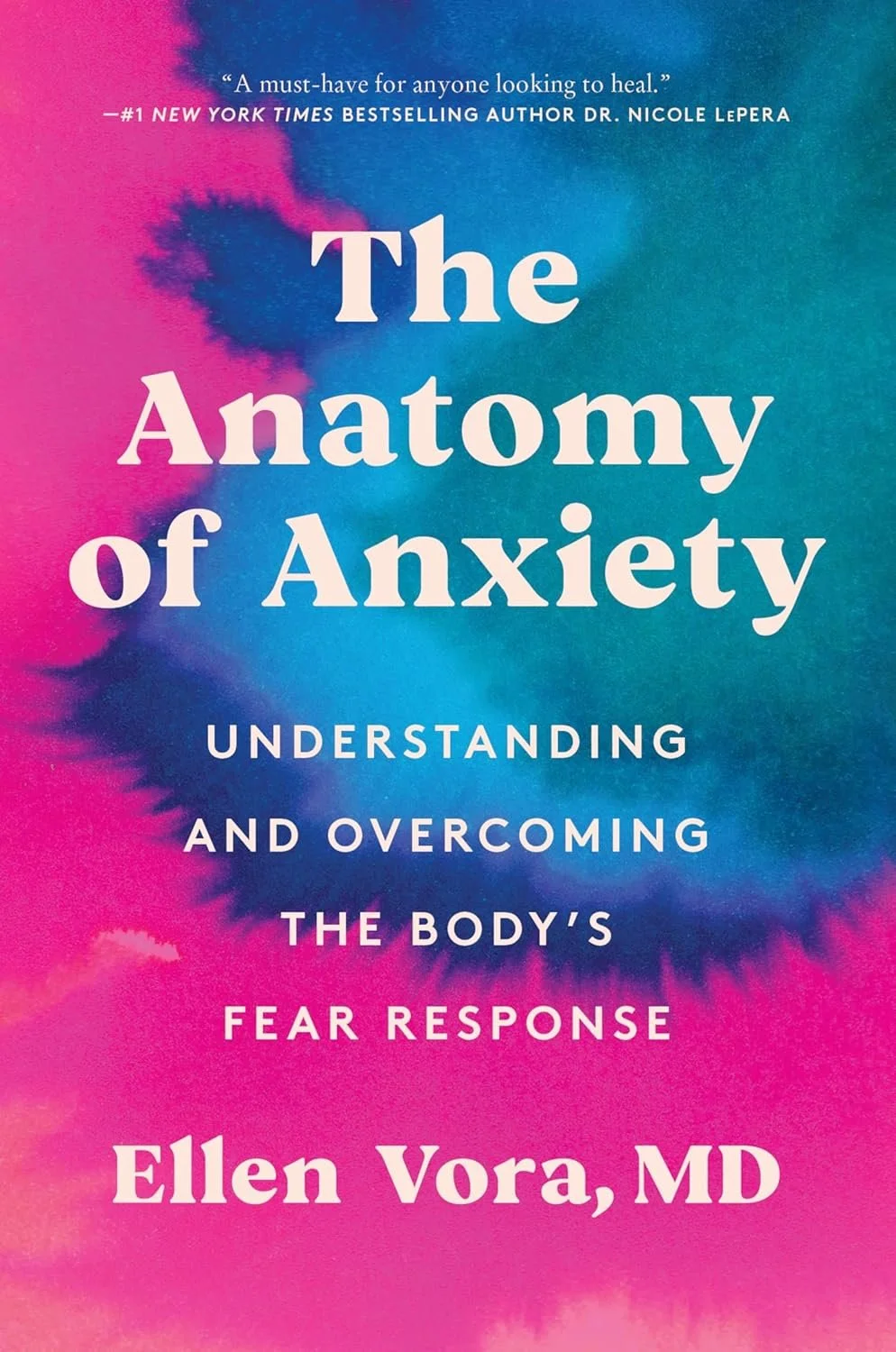
Anxiety is often a disorder of the body, not just the mind. The book helps you identify the physical imbalances behind anxious feelings, from blood sugar swings to poor sleep, and teaches practical ways to restore calm by supporting the nervous system, rather than simply suppressing symptoms.
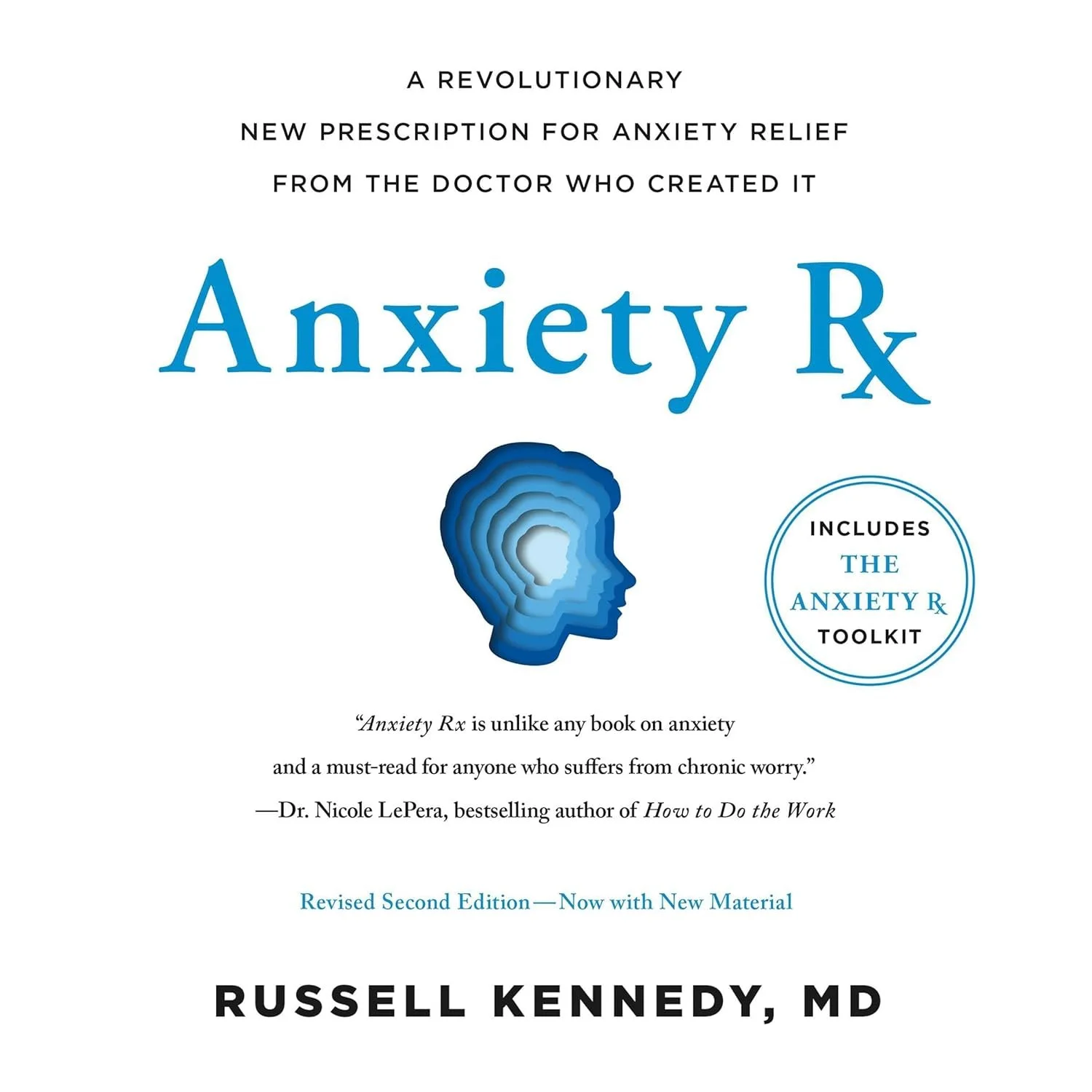
Unresolved past pain and trauma turn on the body's alarm system contributing to anxiety. The book helps you recognize this “alarm” beneath your thoughts and teaches practical ways to calm it through body-based awareness, compassion, and presence. Blending neuroscience and personal experience, Kennedy offers a deeply human approach to soothing anxiety at its source.

Depression is not merely a chemical imbalance but a disease of civilization—a byproduct of the modern lifestyle. Sedentary routines, isolation, poor diet, and chronic sleep loss have stripped us of the protective factors our ancestors once relied on for emotional resilience. Healing requires returning to the fundamentals that human beings evolved to thrive on.

Growing up among multiple cultures creates a self that belongs everywhere and nowhere. Third Culture Kids—children raised outside their parents’ culture—develop an identity that blends the values, languages, and worldviews of all the places they’ve called home. In this book you will learn about the struggles these kids face, but also their superpower.
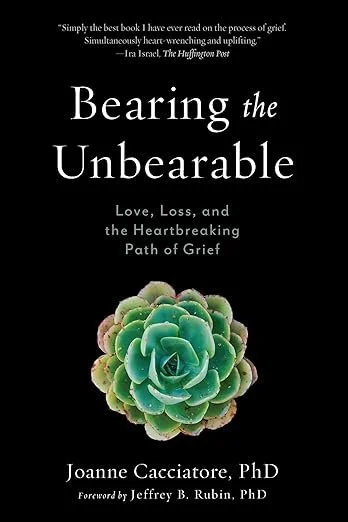
Grief is not something to fix, overcome, or rush through. What feels unbearable becomes survivable not through solutions but through presence, time, and being accompanied. Rather than asking us to move on, the book invites us to stay—with our pain, our love, and our losses—honoring grief as a natural response to meaning, attachment, and being human.
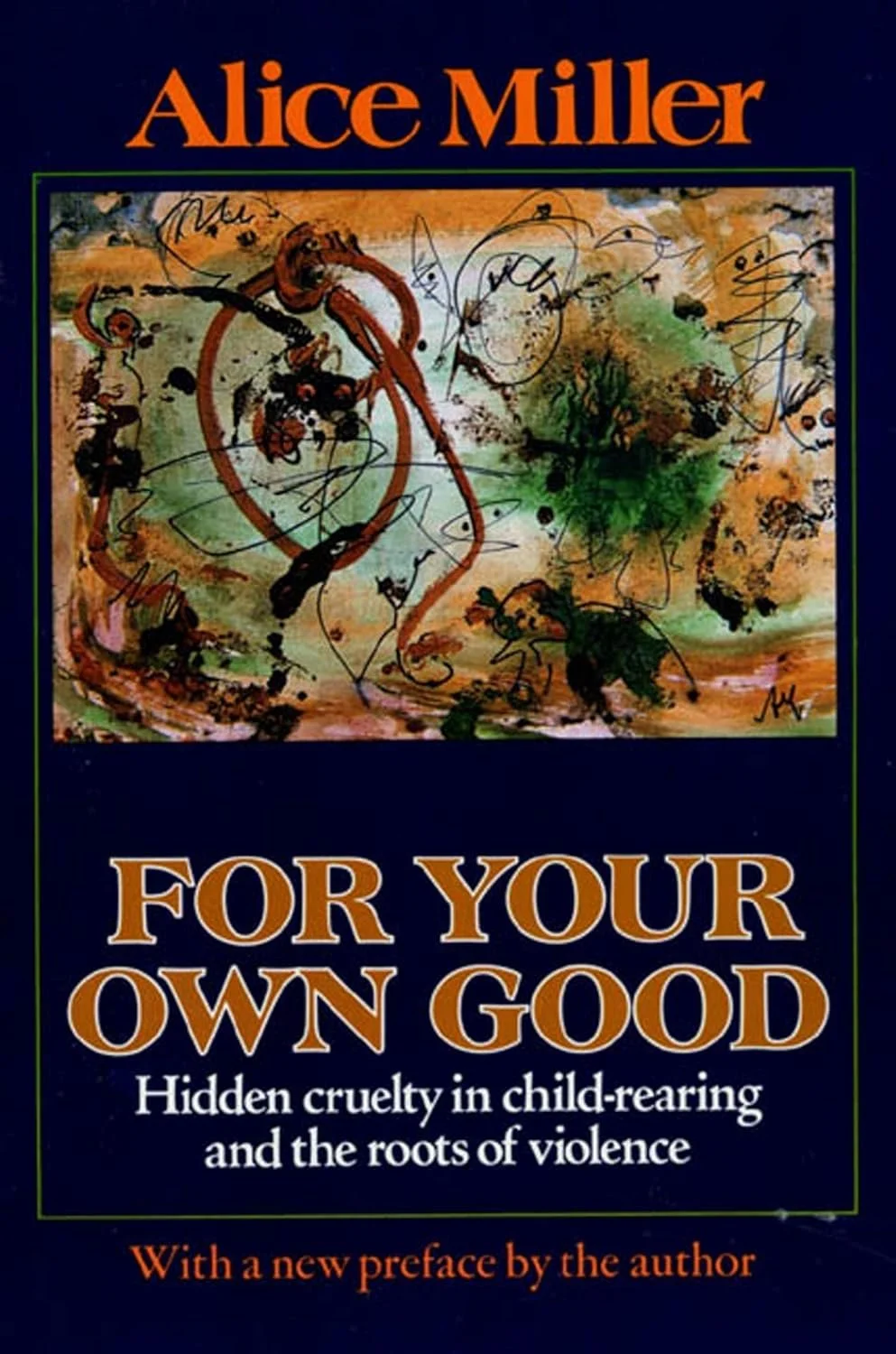
Have you ever been hurt “for your own good”? Did that phrase confuse you, leaving you unsure whether what you experienced was love or abuse? Alice Miller names this confusion and exposes what she calls the pedagogy—a system that trains children to survive emotional neglect, control, or suppression by turning against their own feelings in order to remain attached. If you want to understand the roots of anger, shame, and emotional pain that have followed you into adulthood, this book is for you. Be prepared: this is not an easy read—it may take you into deep waters before you can breathe again, this time in air no longer tainted by shame.

We have been misled into believing that the mind is separate from the body. In reality, the brain is an organ like any other—living in the same biological territory and governed by the same rules as the liver, the gut, and even the smallest cell. The health of each cell shapes the health of every organ, including the brain. There is no mental wellbeing without physical wellbeing. This is not a philosophical stance; it is basic biology. If you’re not convinced yet, the invitation is simple: follow the approach for a few weeks—and then we can talk.
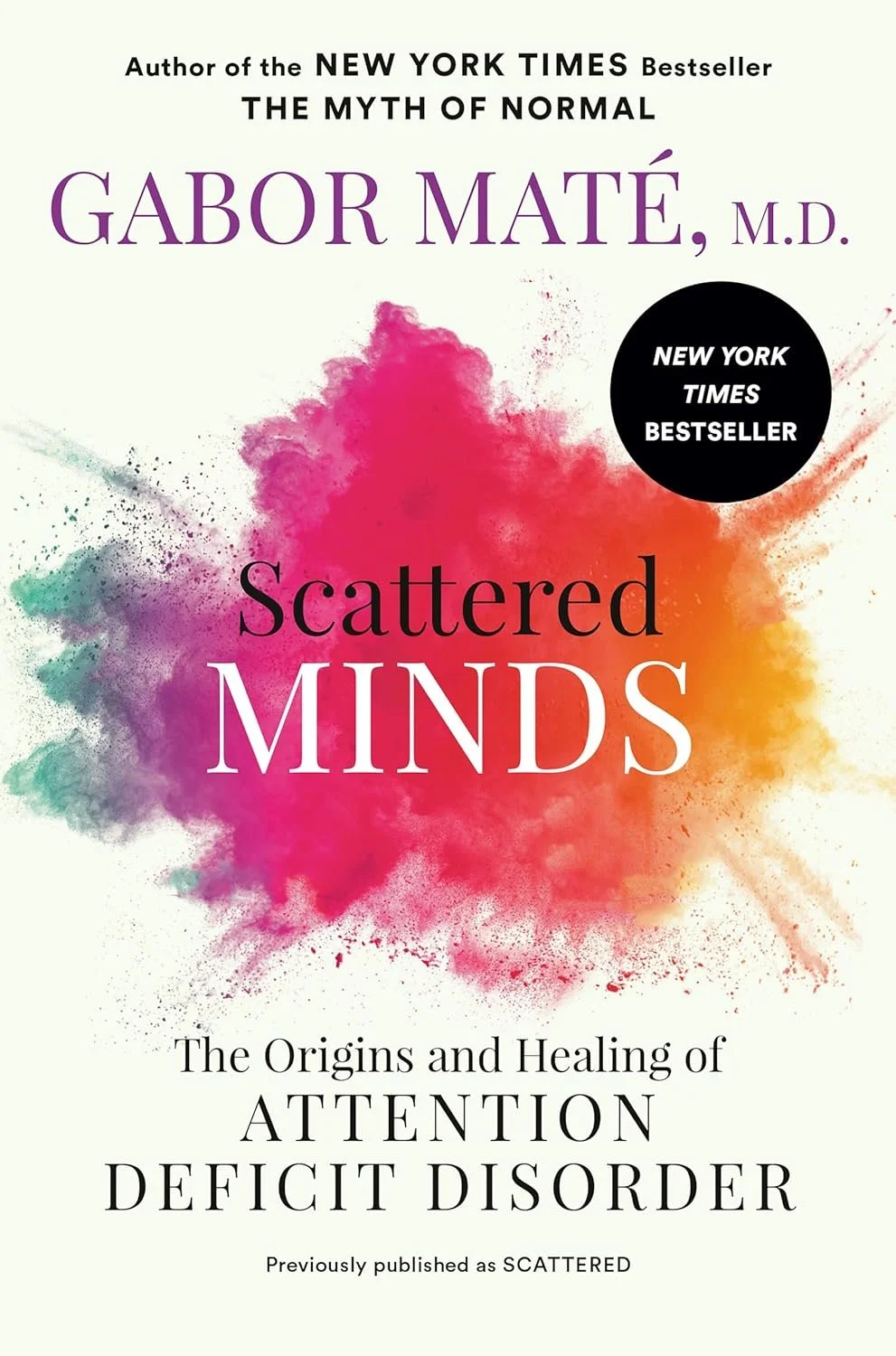
What if ADHD is not a disorder of attention, but a sign of a nervous system that learned to disconnect in order to survive? Gabor Maté shows how early emotional stress and lack of attunement can fragment a child’s inner world, shaping a mind that is brilliant, sensitive, and creative—yet unable to rest, focus, or feel internally held. Behind distraction and impulsivity often lies a history of unmet attachment needs, and what we call “disorder” may actually be the imprint of adaptation to emotional pain.
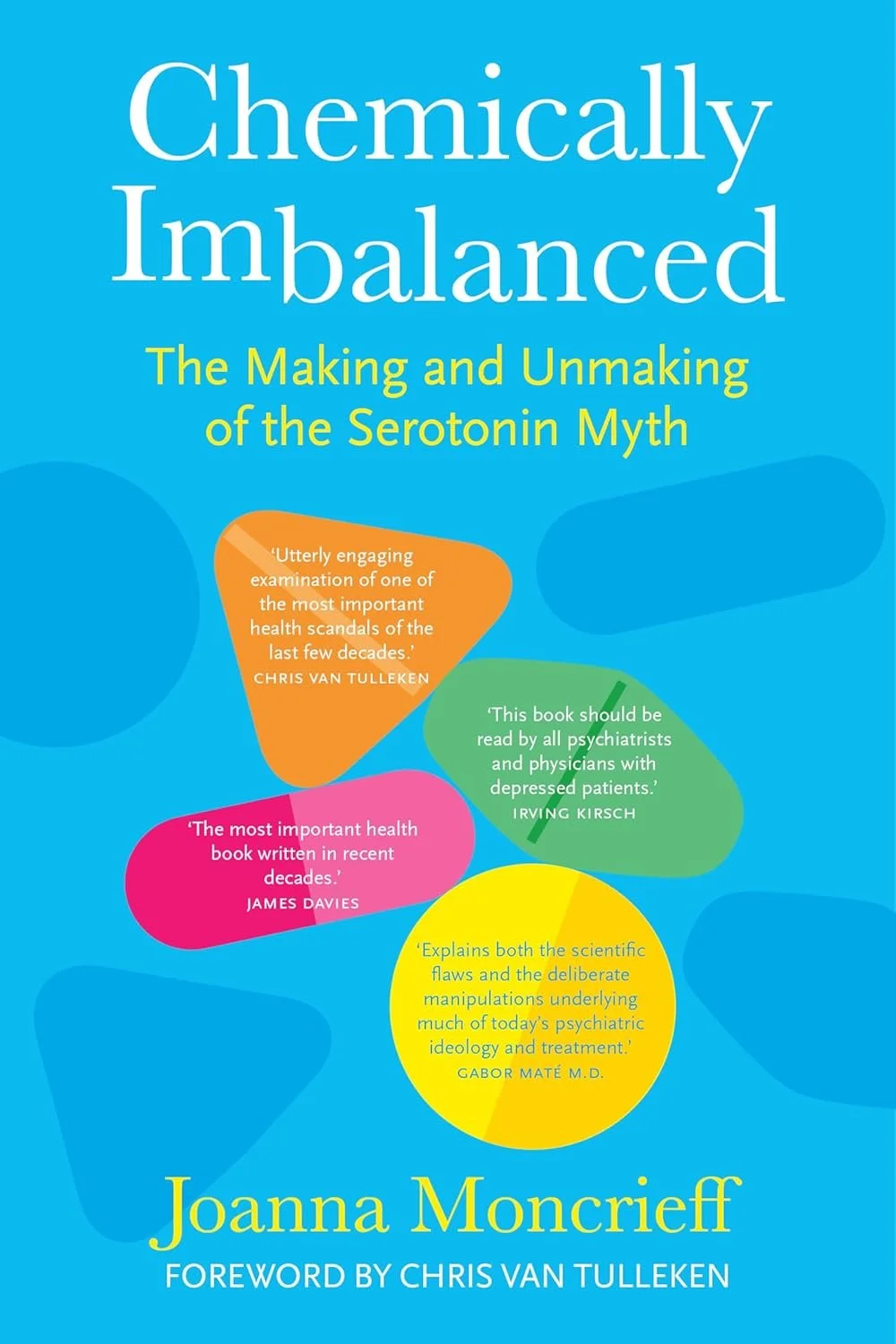
For years we were told that anxiety and depression are caused by a simple “chemical imbalance.” The truth is more complex: the brain is a living metabolic organ shaped by energy, inflammation, hormones, stress, and environment. What we call “chemical imbalance” is not a cause, but a signal of deeper systemic dysregulation.